


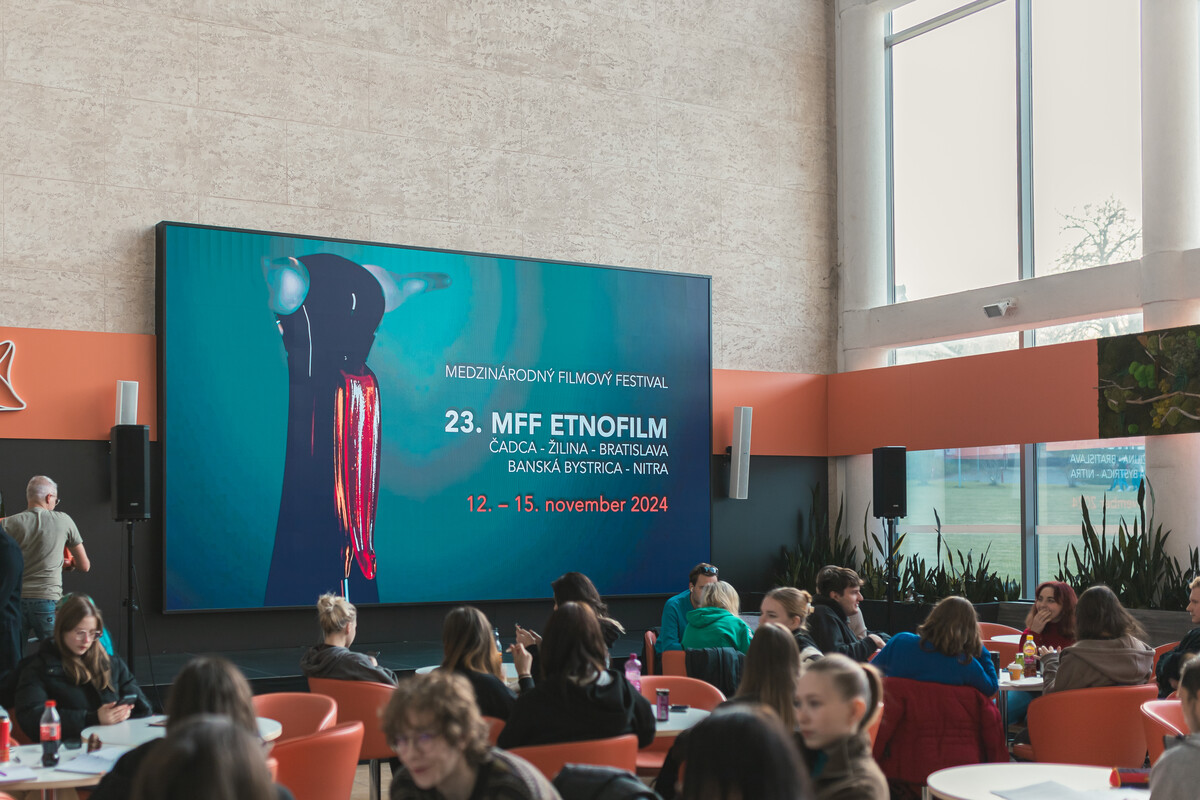
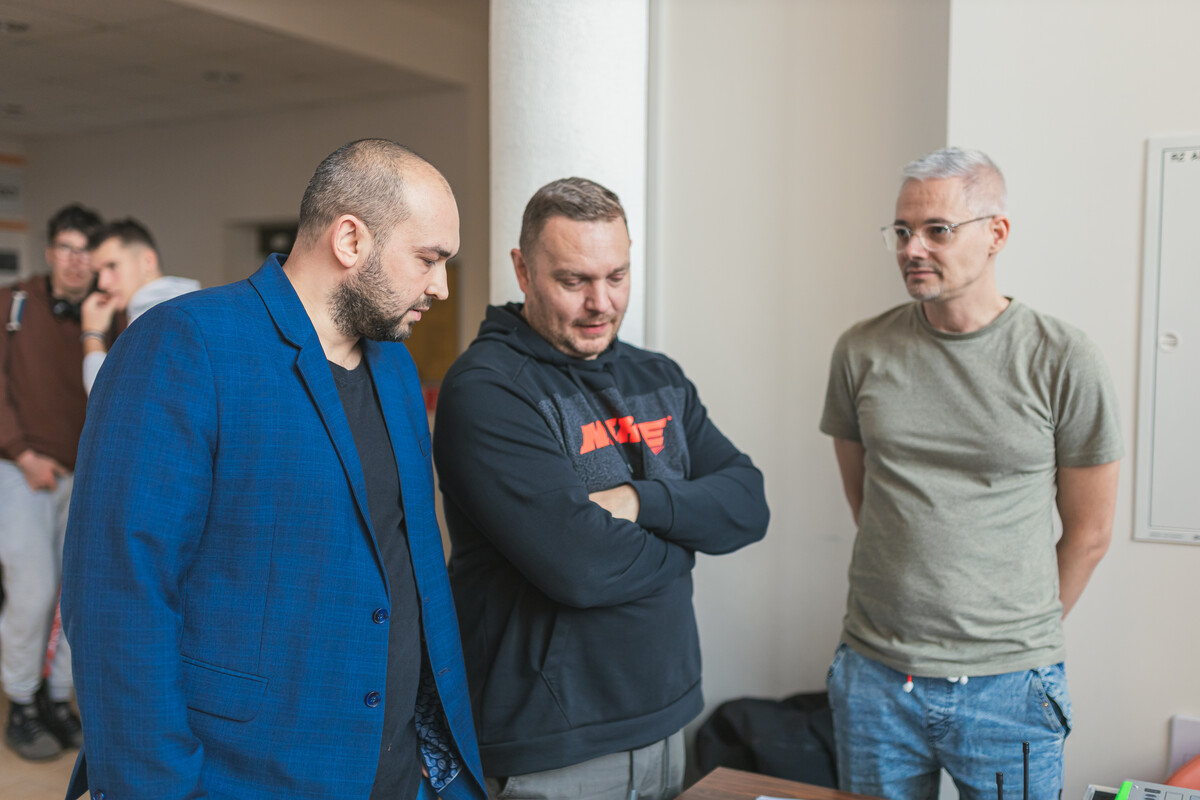
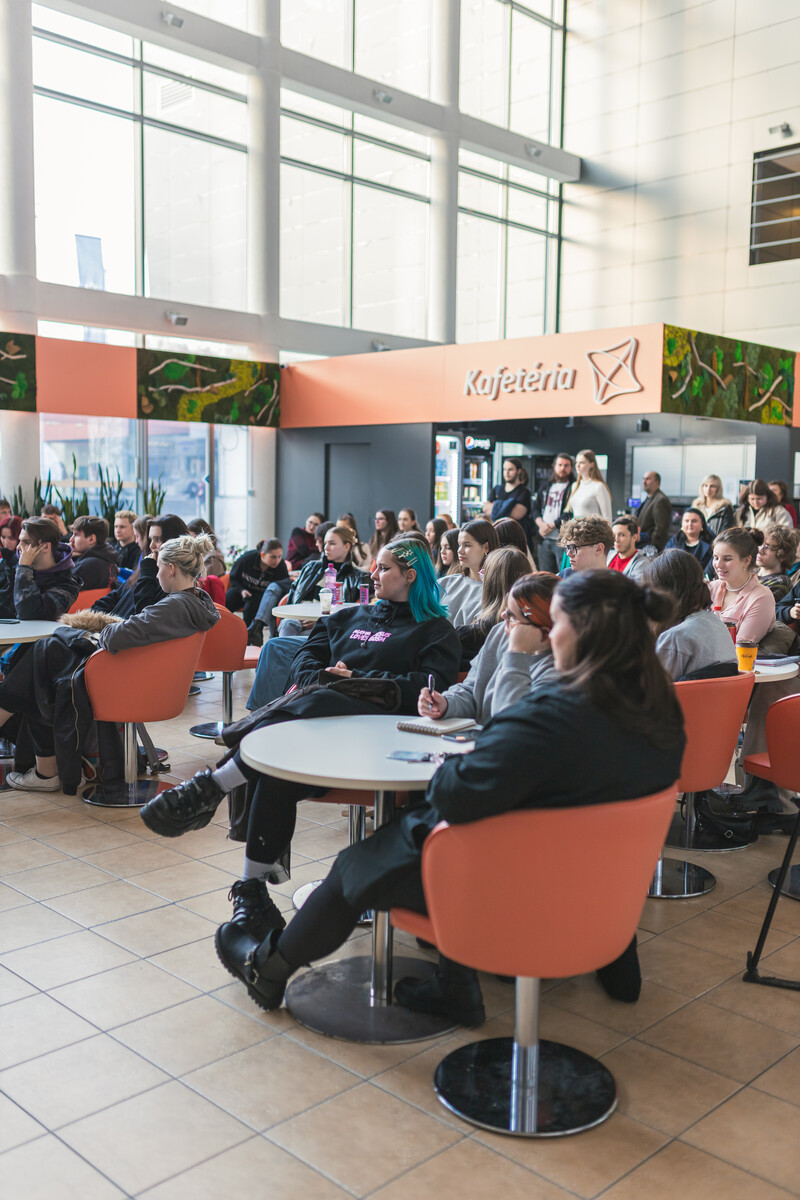
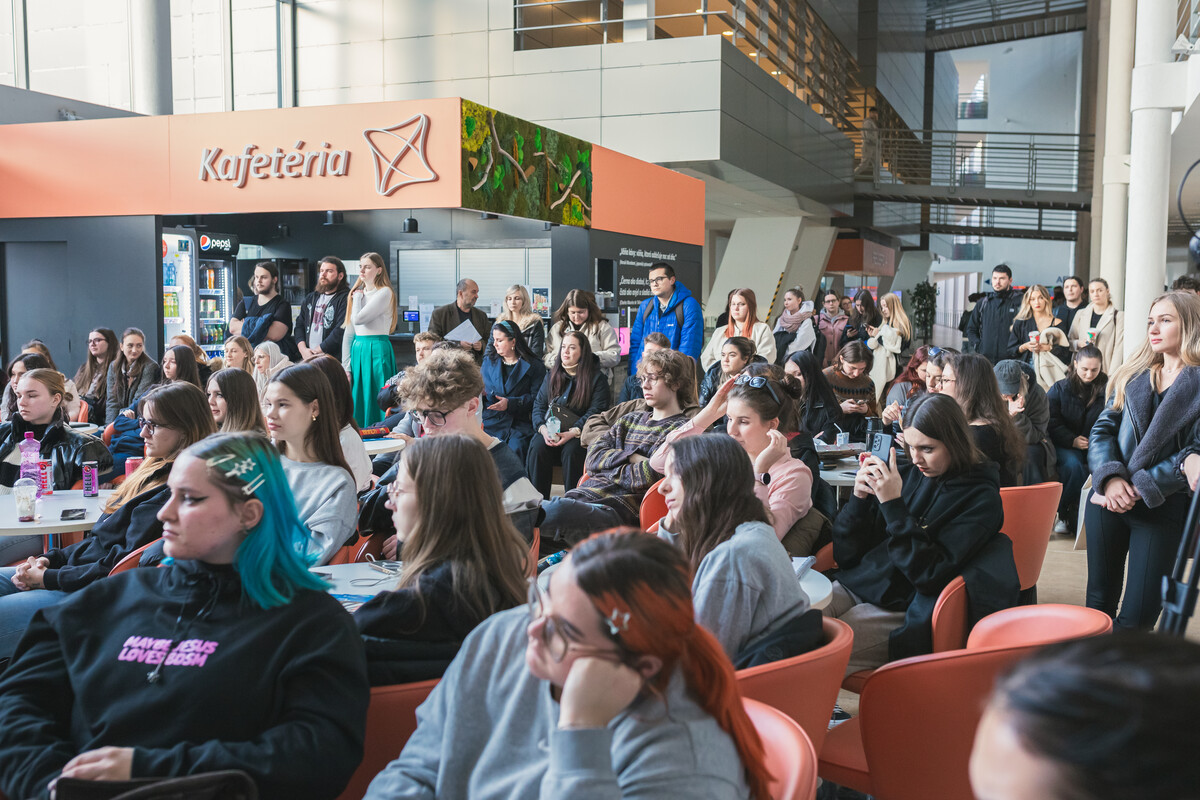
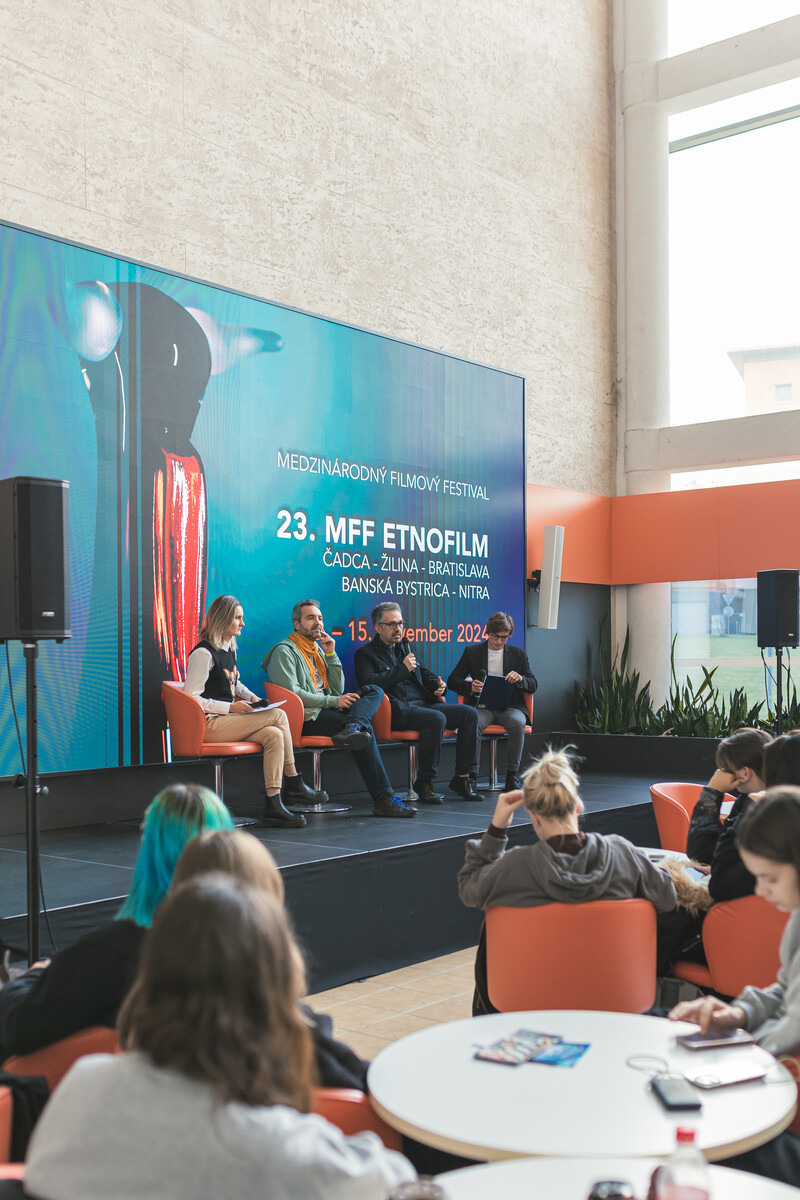
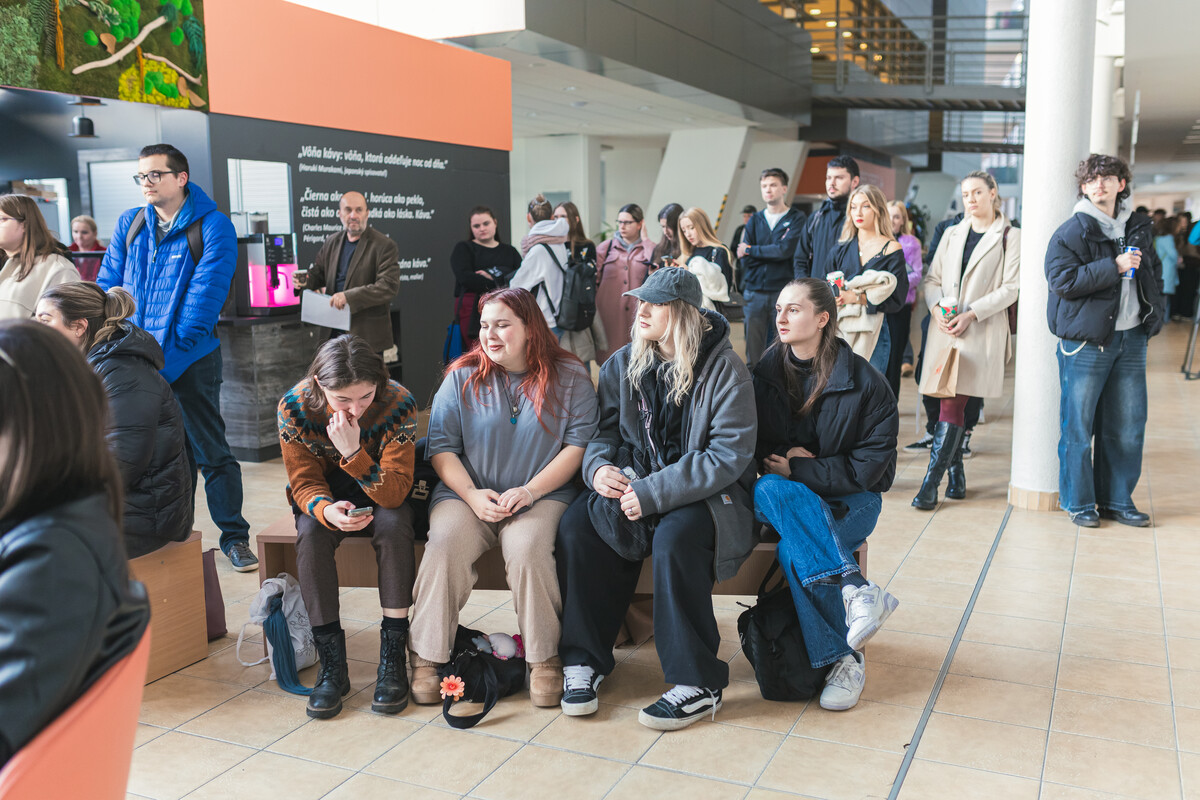
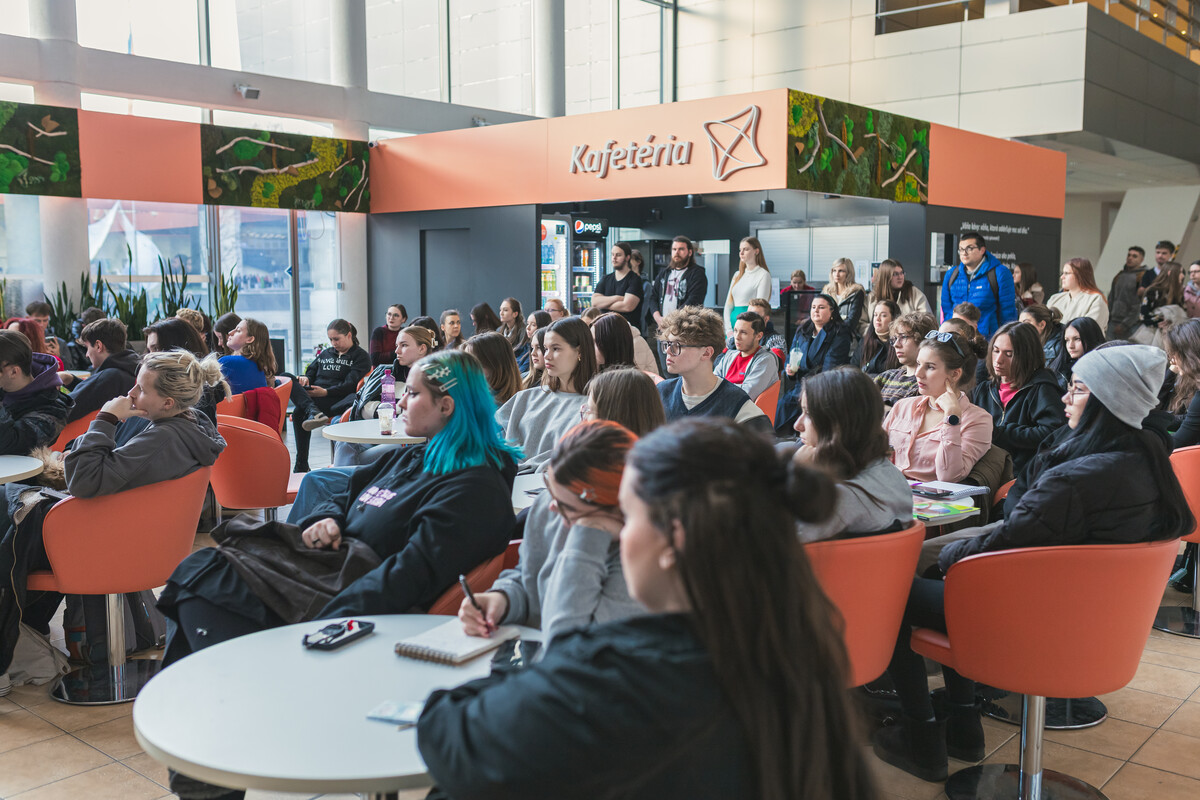
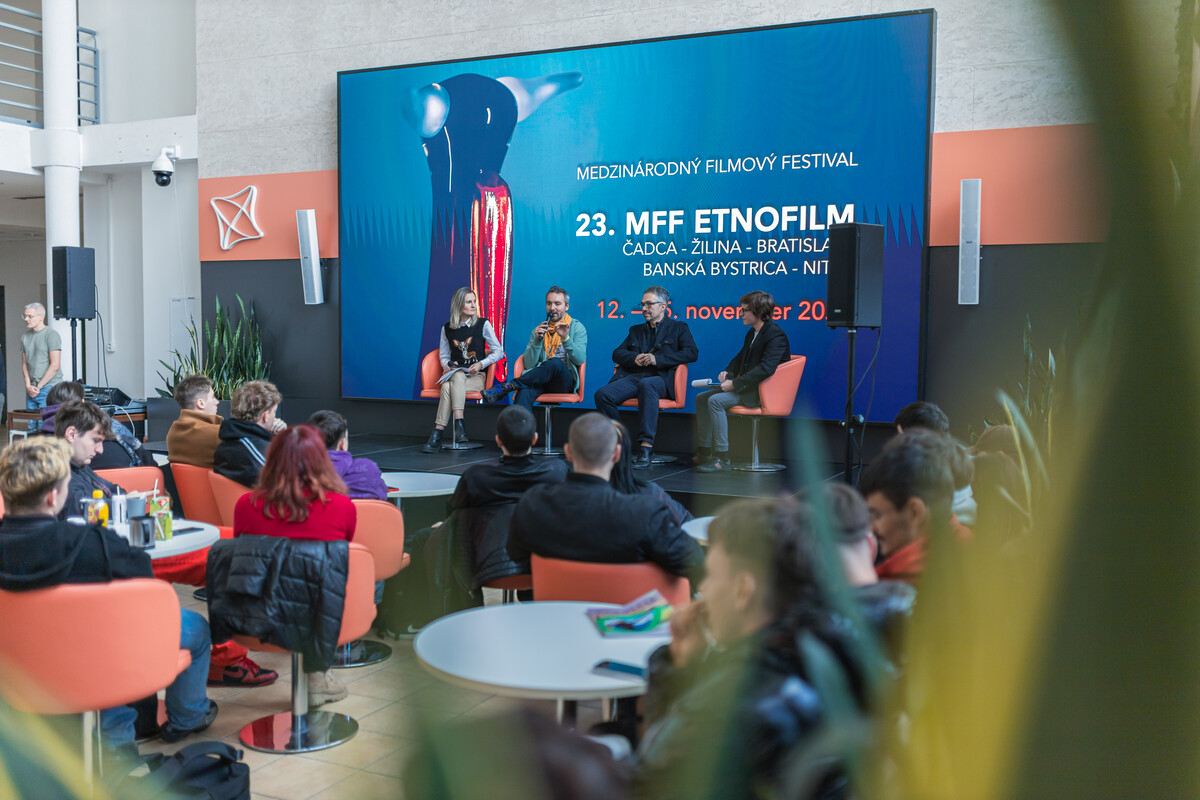
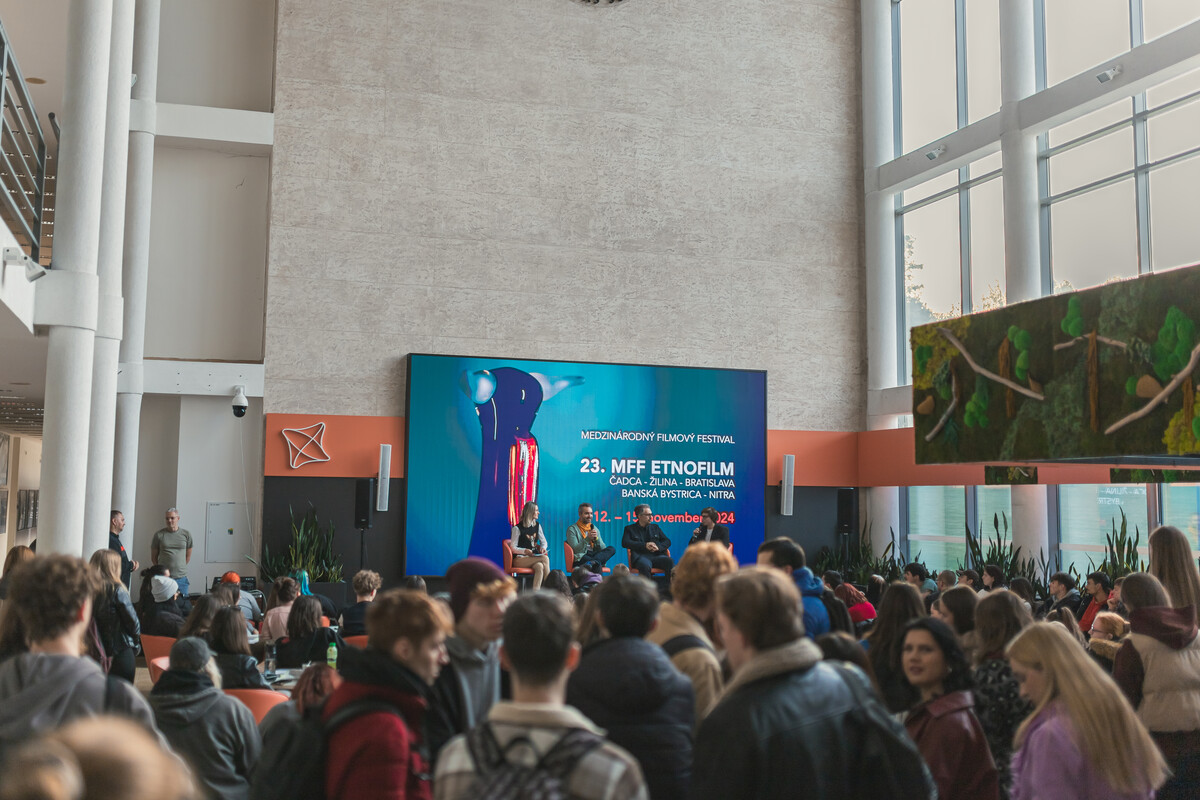
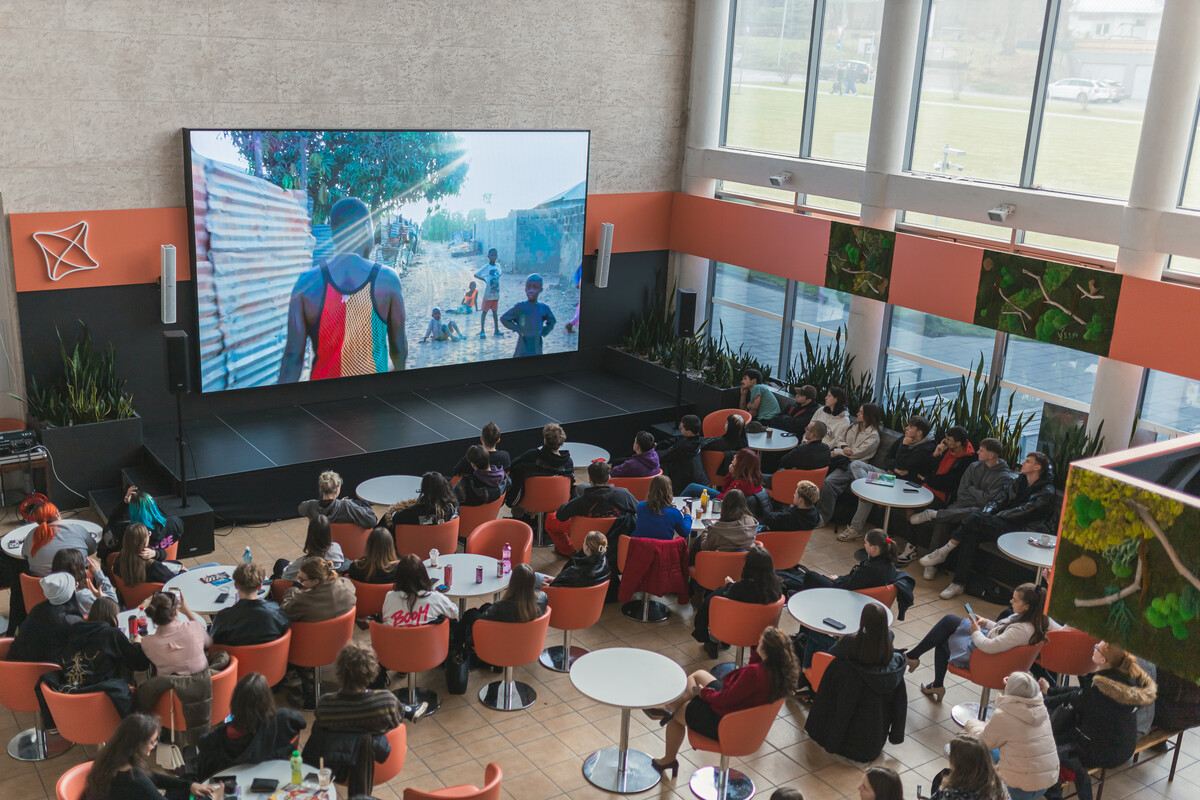
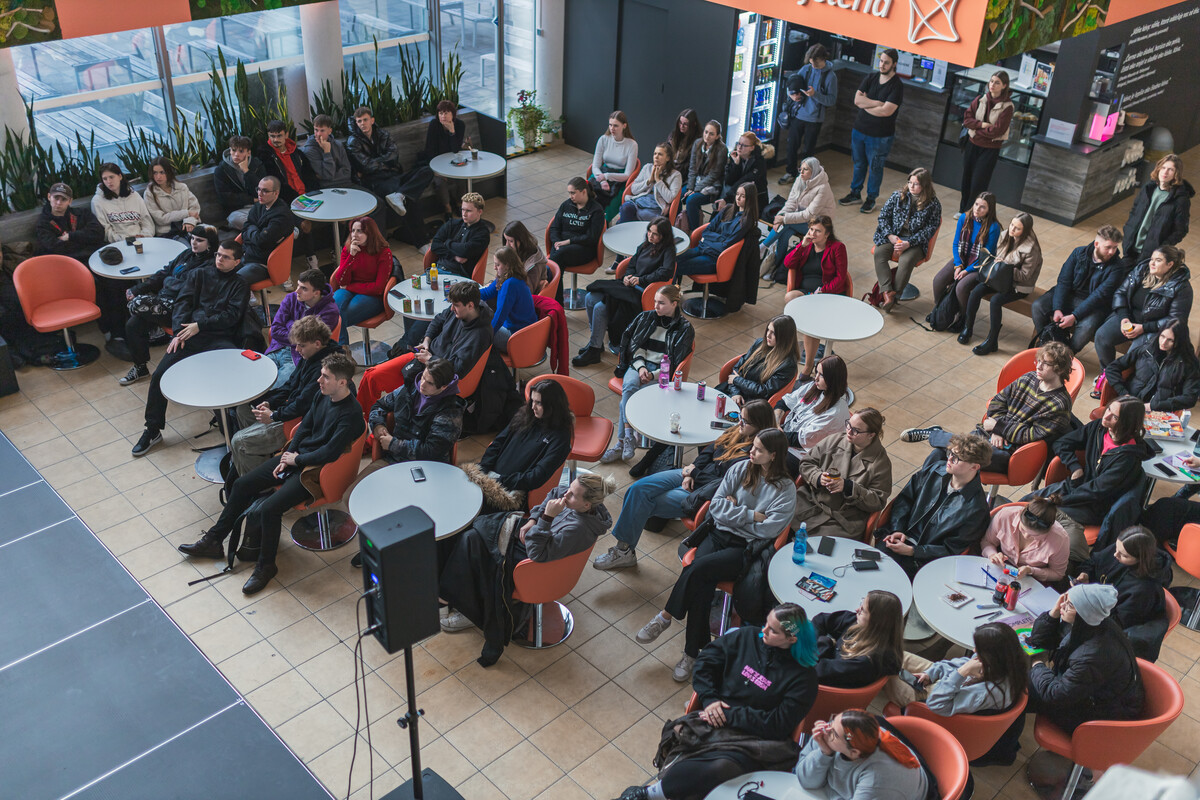
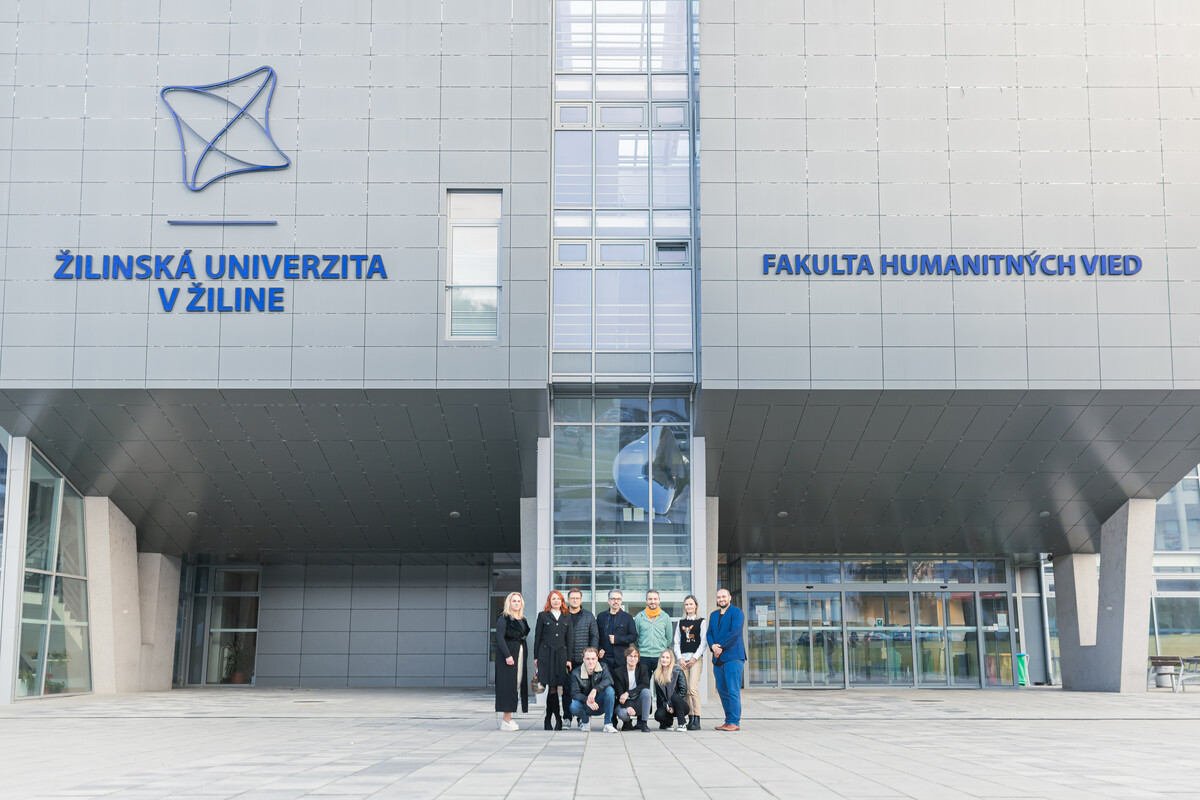
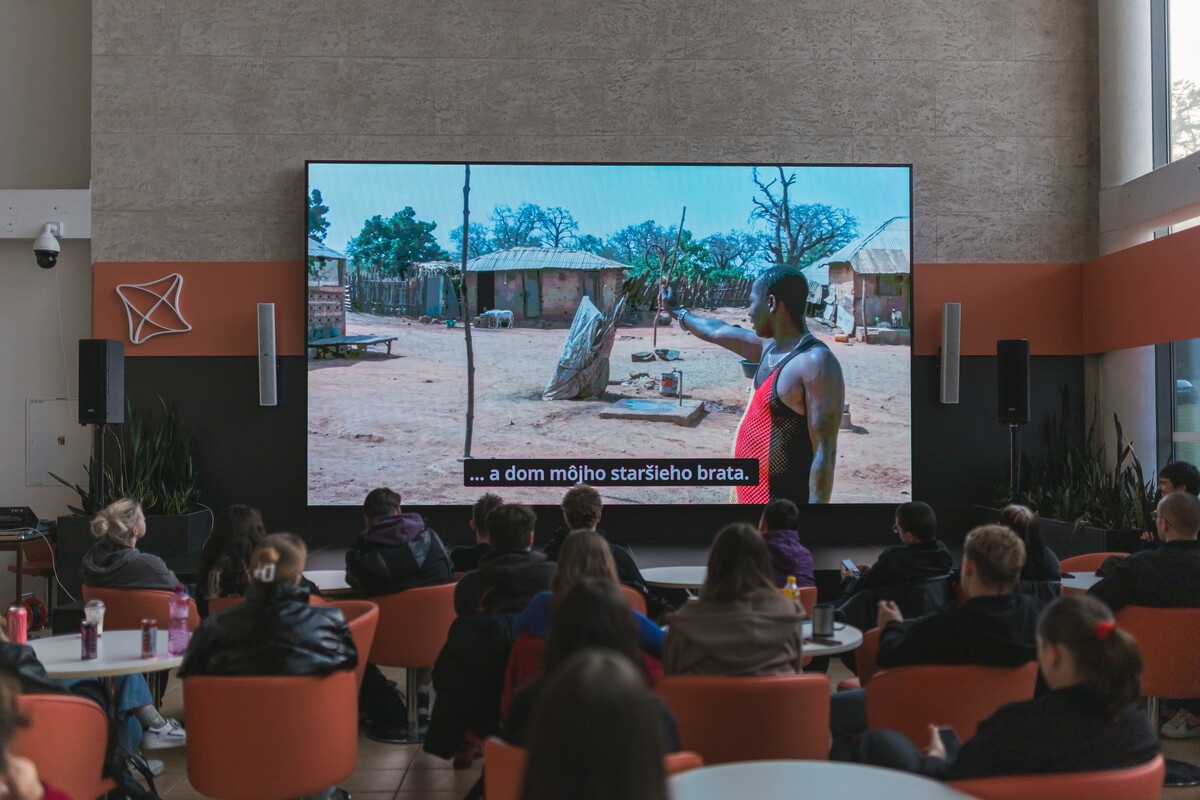
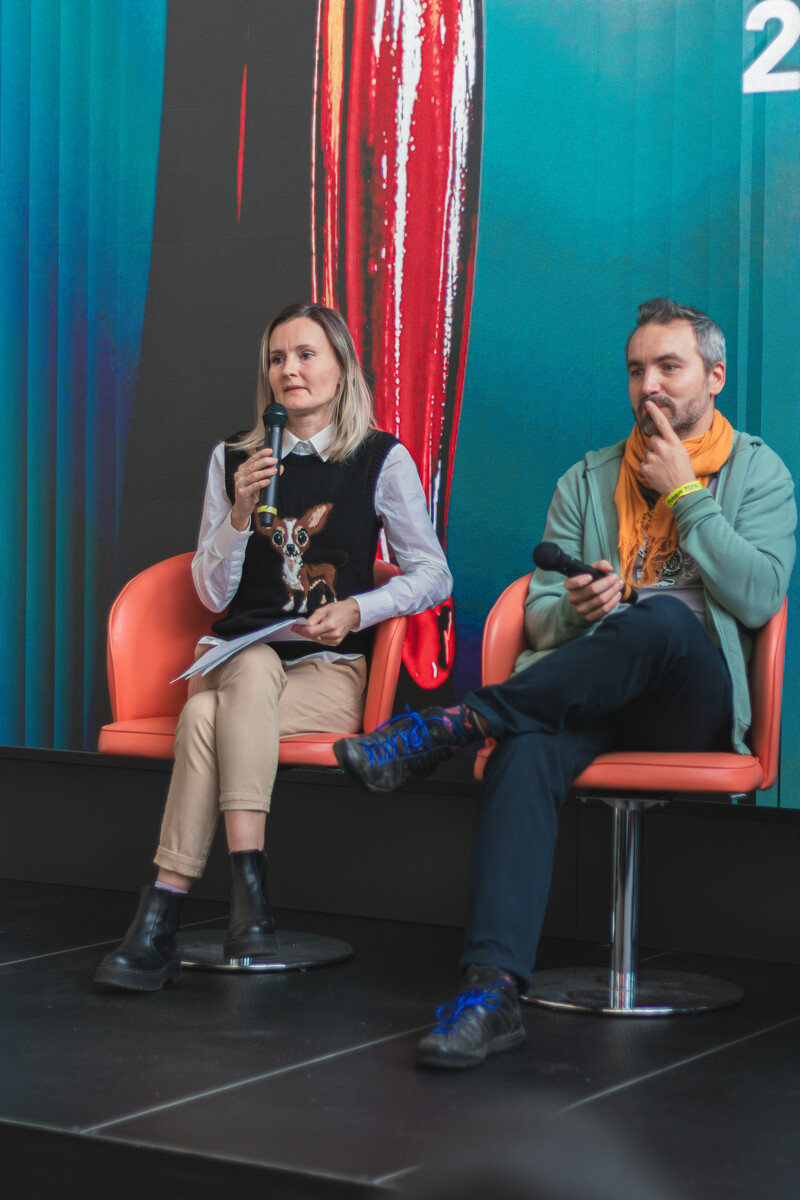
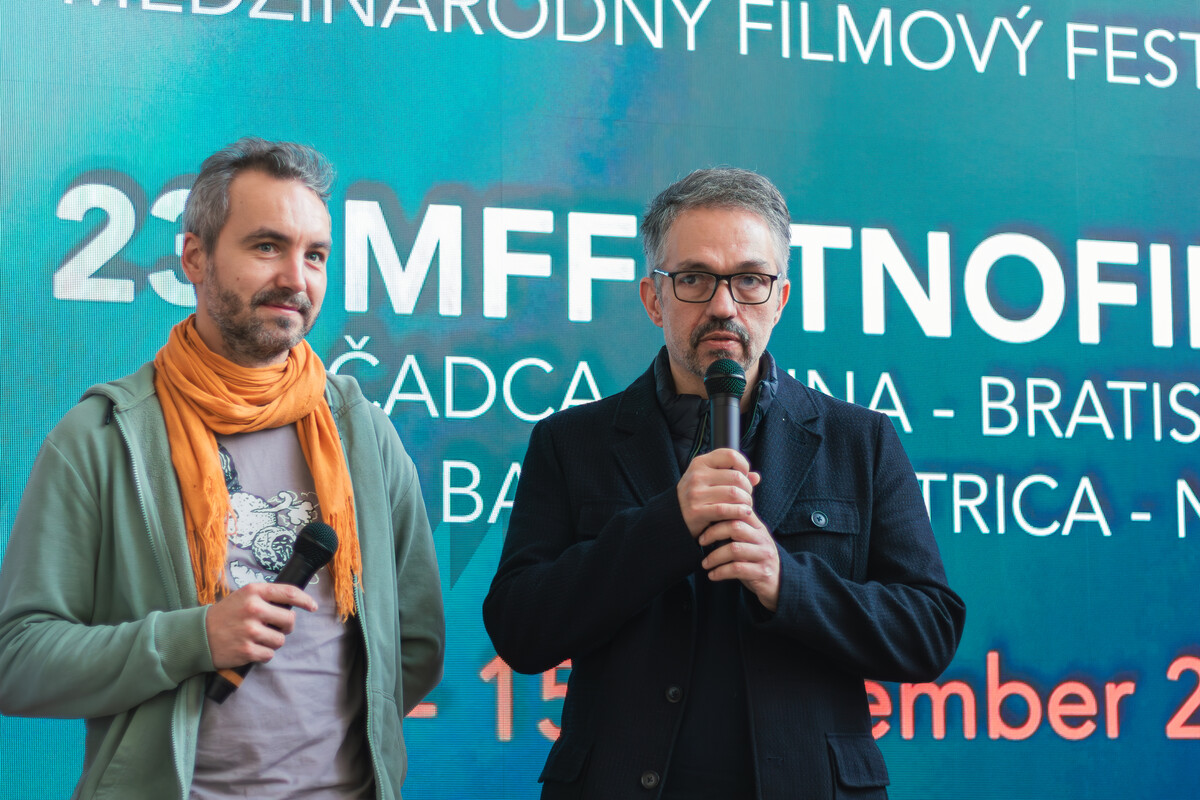
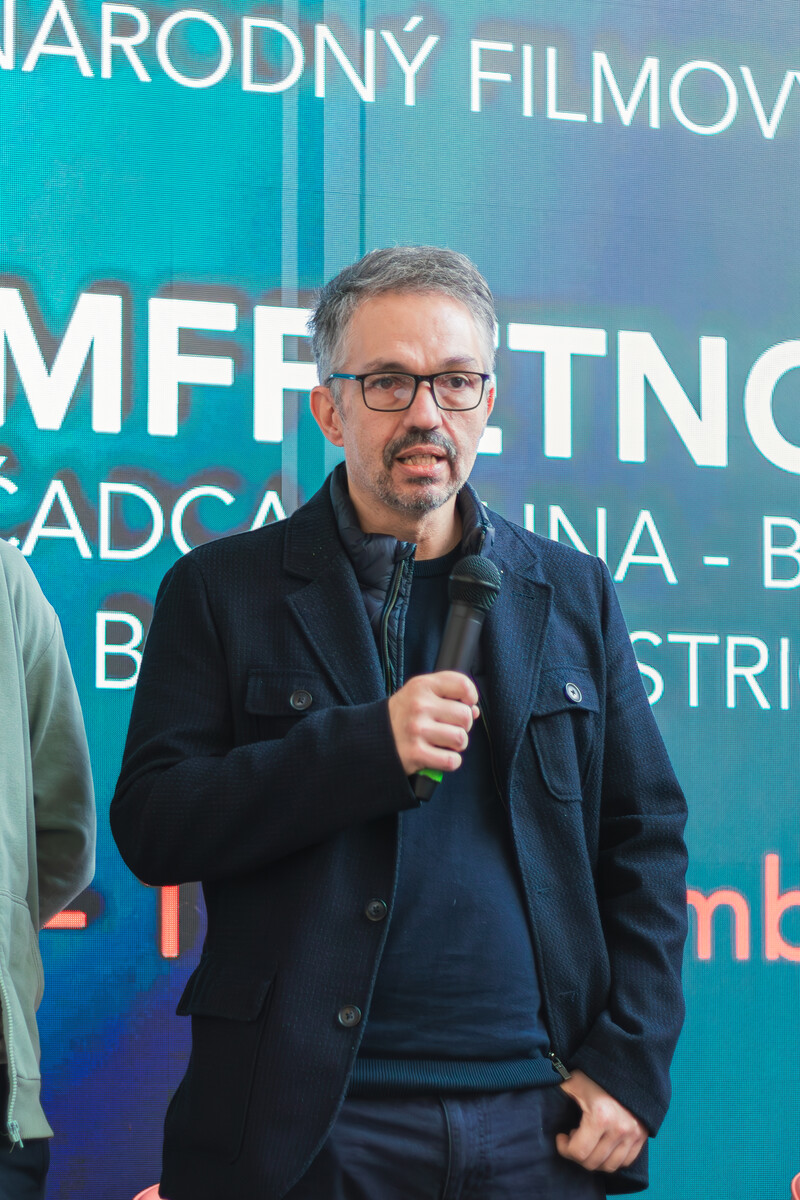
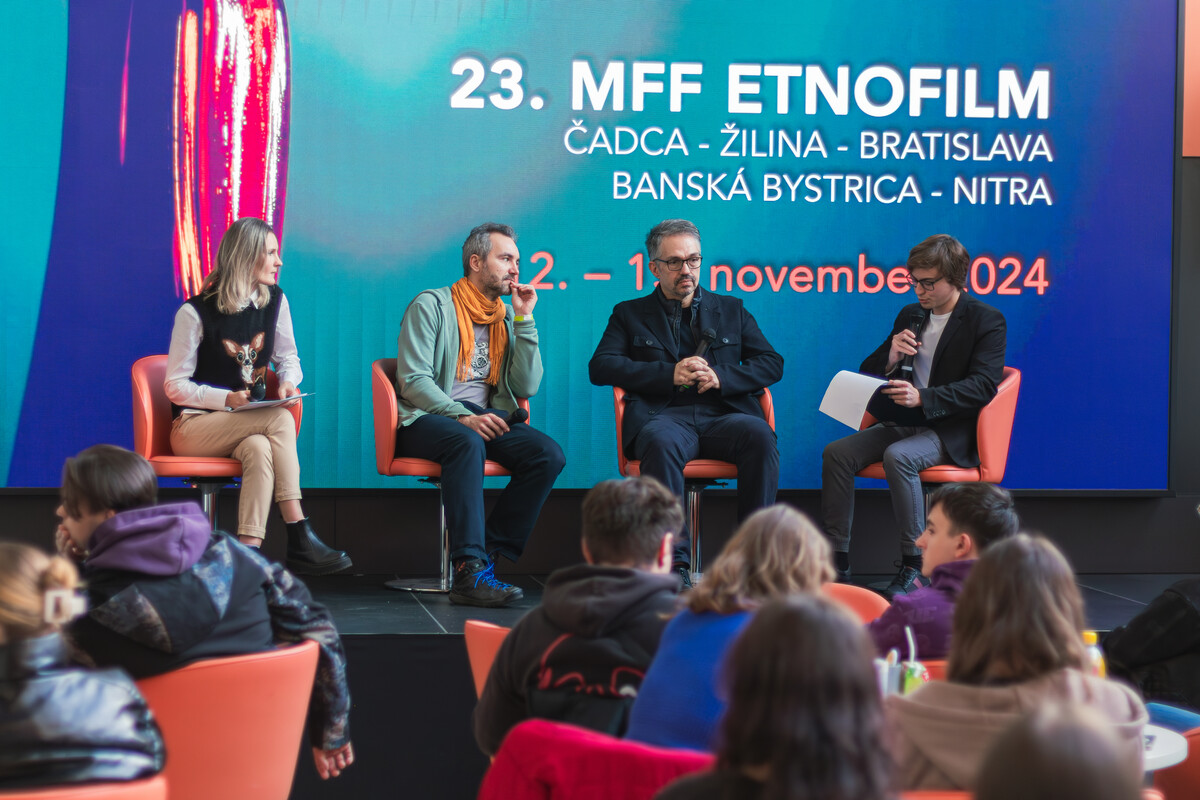
The 23rd International Film Festival ETNOFILM was also held at the University of Žilina at the Department of Mediamatics and Cultural Heritage. Students, teachers and the public had the opportunity to see competitive documentary films that showed different cultures, traditions and challenges of today's world.
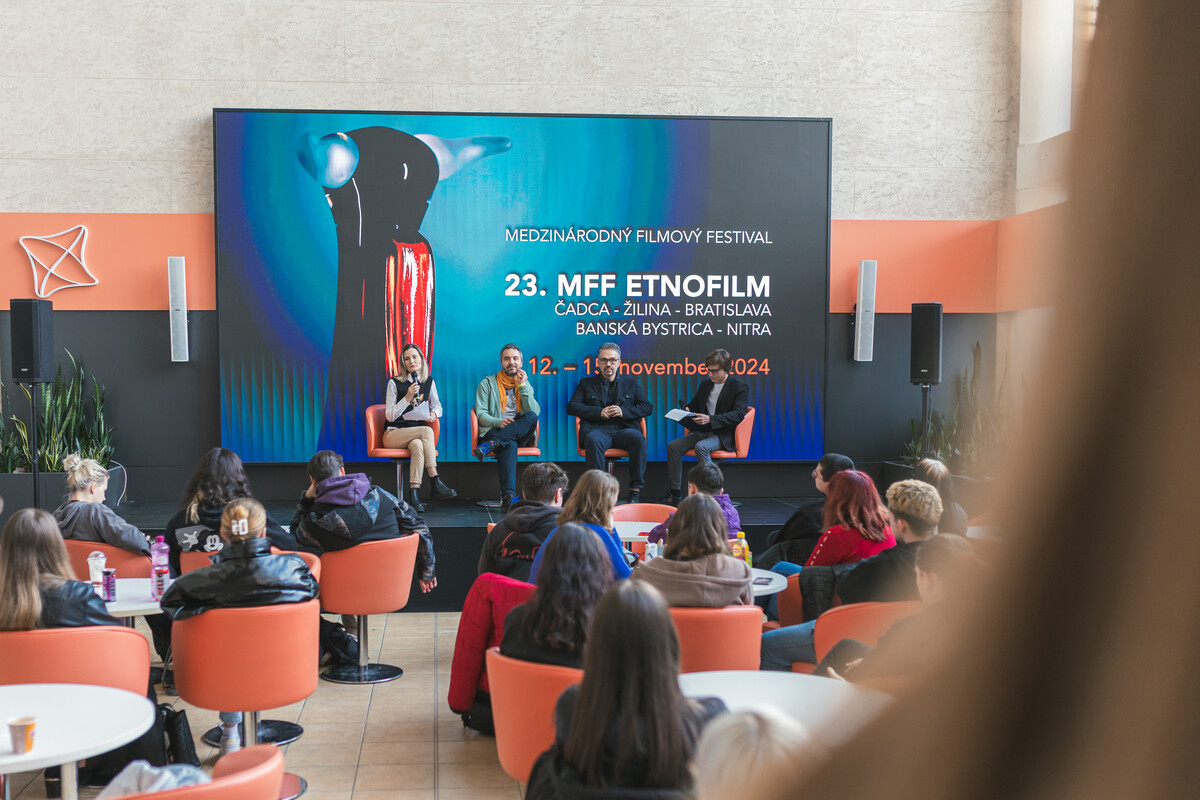
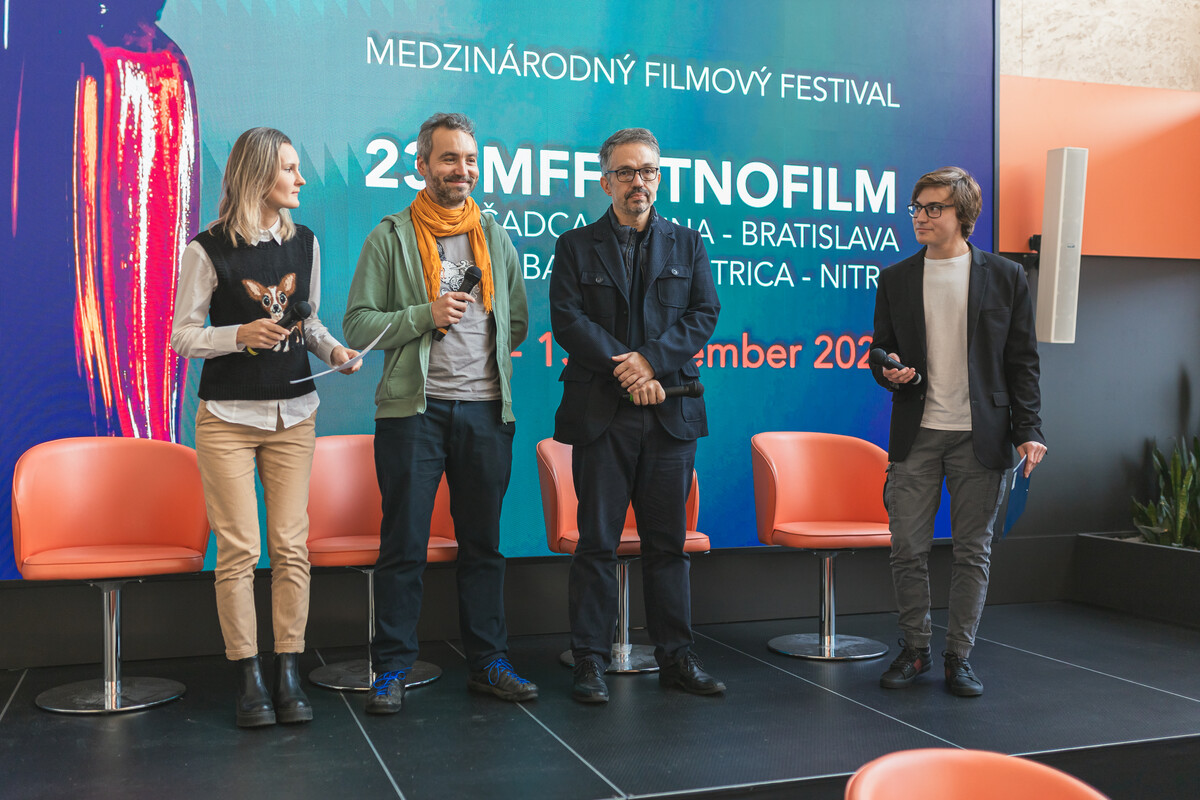
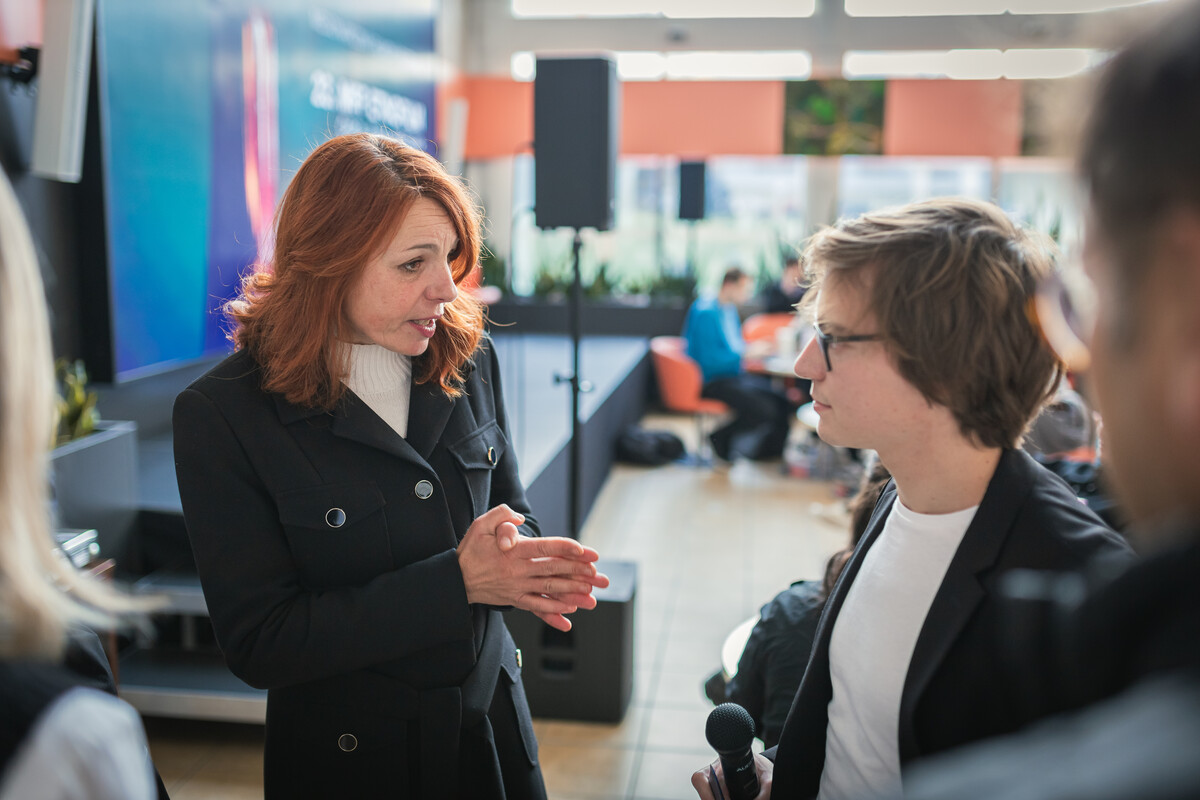
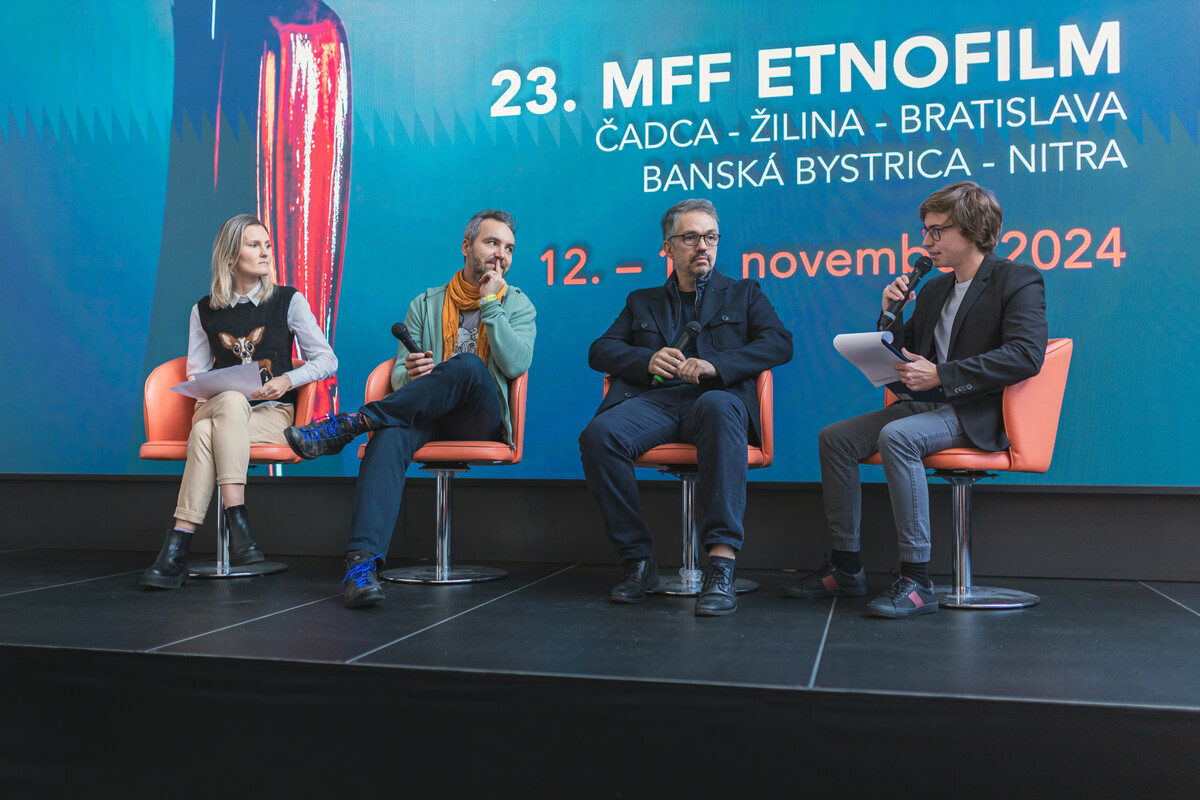
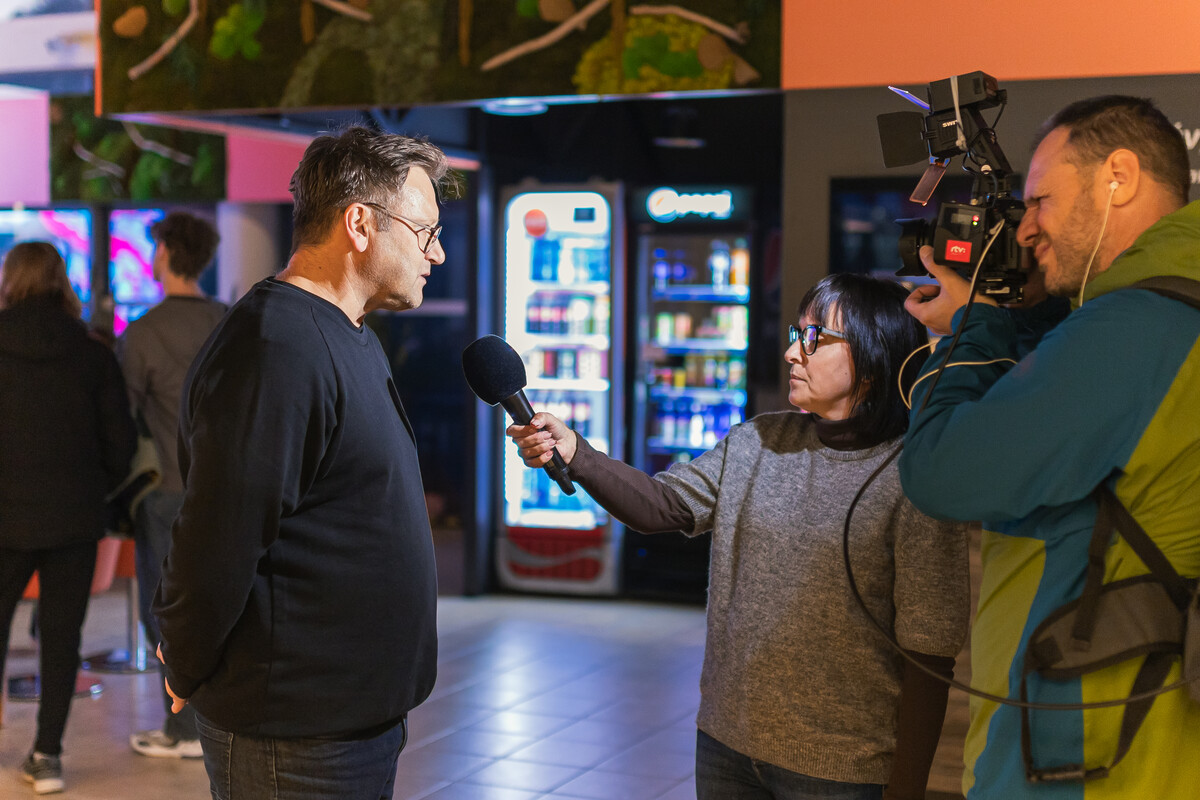
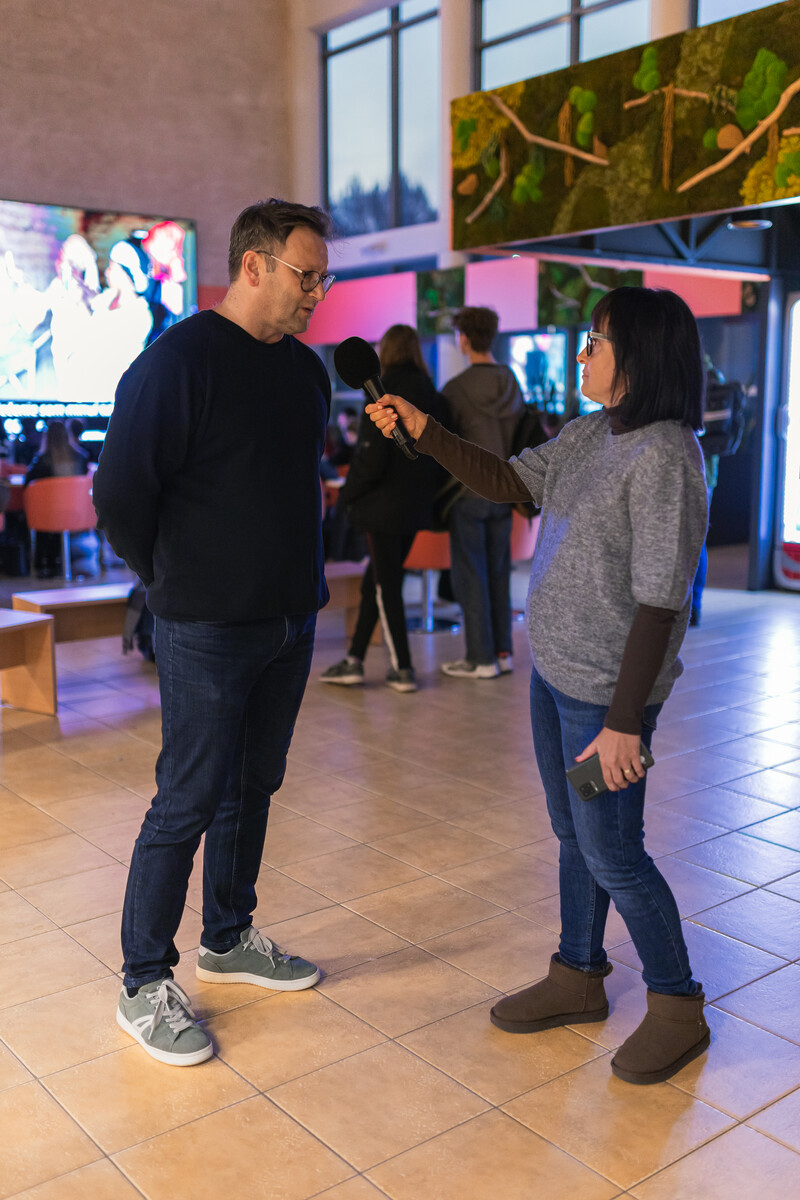
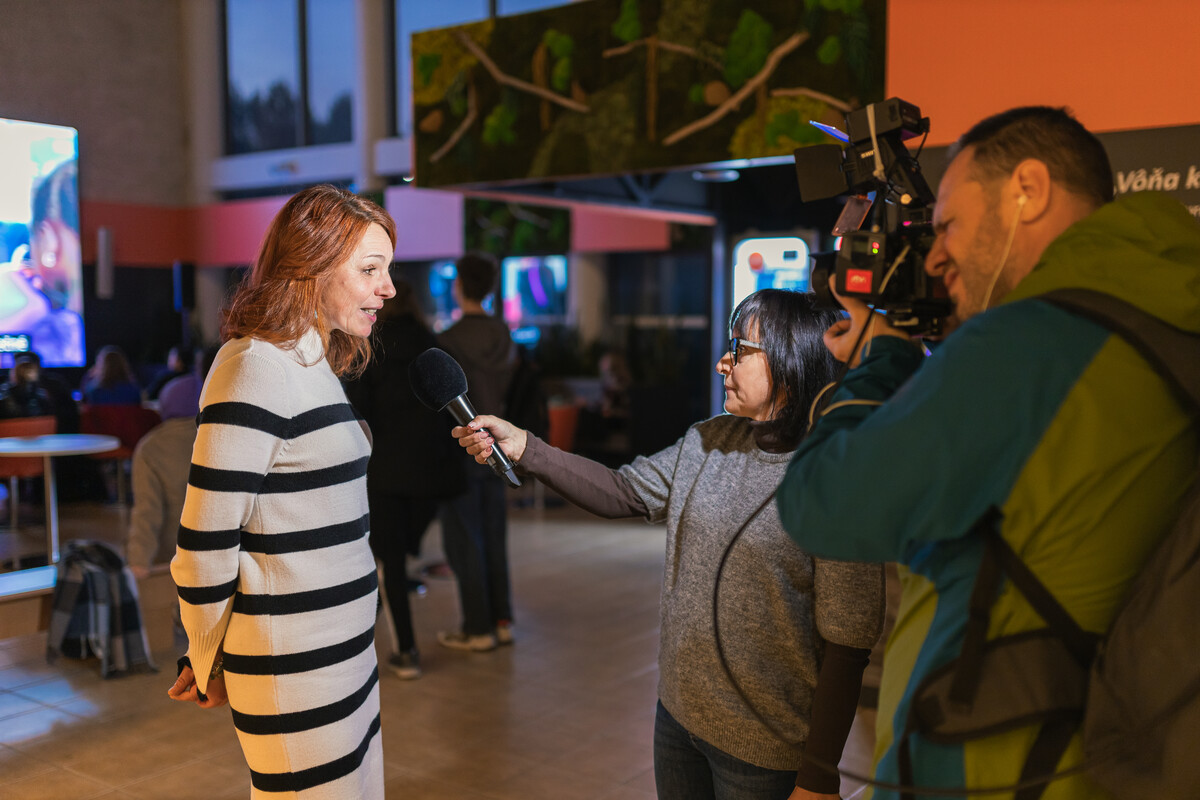
The festival brought not only film screenings, but also discussions with authors, where participants could learn more about how films about cultural heritage are made. For the department and the university, it was a unique opportunity to connect education with learning about world cinema and traditions. We spoke with Silvia Kajanková from the Kysucké Cultural Center in Čadca.
How do you evaluate the overall course of this year's ETNOFILM?
As creative and enriching, since the competitive screening brought a wide range of films that showed the diversity of cultures, traditions and life stories and festival visitors had the opportunity not only to see quality documentaries, but also to participate in interesting discussions with the creators, which was another added value of the festival. Also enriching were the professional seminars that created a space for the exchange of opinions between experts, but other accompanying activities such as exhibitions and presentations supported interaction between participants and strengthened the overall experience of the festival.
What are your visions for the next years of ETNOFILM? Do you have any news or changes planned?
In order for the festival to maintain its place among similar events, it needs to constantly offer something new. The student jury was a great asset to us, providing us with valuable feedback and suggesting several options for making the festival more attractive, especially for the younger generation. The festival’s preparatory committee also came up with suggestions for improving the festival, but I would not like to specify them at this stage, as they are still in the discussion phase and require further elaboration and evaluation of their feasibility. Our goal is to ensure that the proposed changes meet the needs of the festival and its audience as much as possible.
How did the idea of transferring part of the ETNOFILM screenings to UNIZA come about?
The idea of transferring part of the ETNOFILM screenings to the University of Žilina (UNIZA) arose as a result of long-term cooperation between the festival organizers and the Faculty of Mass Media Communication and Cultural Heritage. This faculty has a deep interest in preserving cultural heritage, supporting traditions and presenting them through modern forms of communication, which naturally corresponds to the mission of the festival, and it has truly played a significant role in the development of the current year of the festival. Thanks to its initiative and support, the festival has been able to expand and bring it closer to the younger generation, thus gaining a new audience and a new dimension. Thanks to this cooperation, we have managed to obtain not only a stable background, but also to give the festival a new dynamic that moves it forward. UNIZA is thus an example of how an educational institution can actively contribute to the preservation of culture and its integration into modern life.
What do you think the students took away from the screening held at UNIZA?
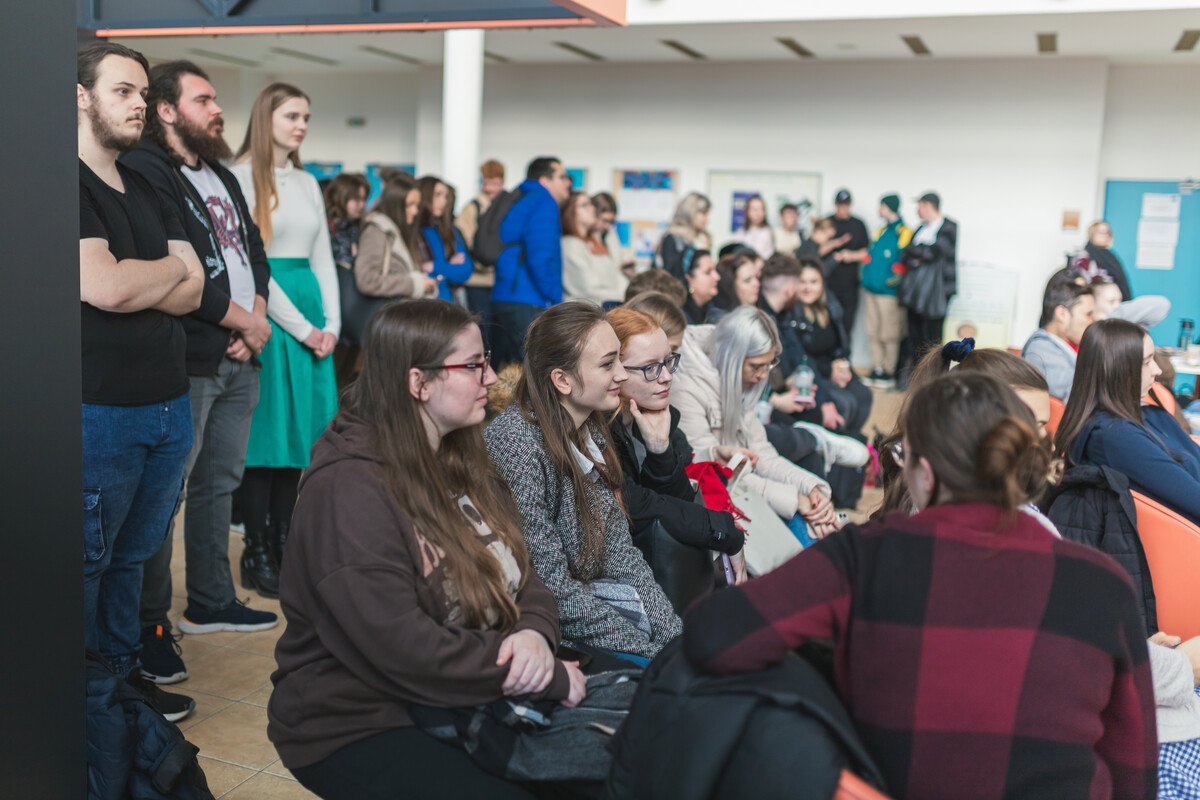
I believe that the competitive film screening was not only a cultural experience for the students, but also an opportunity for deeper reflection on the themes and values that the films revealed.
What would you like to say to those who couldn’t attend this year? Why shouldn’t they miss it next time?
The festival is a unique opportunity to experience the diversity of world cultures, traditions and ways of life that might otherwise remain outside our horizon. In addition, it offers a deep and inspiring experience that comes not only from the films themselves, but also from accompanying events, discussions and interactions with experts and creators. Participating in the festival is not just about watching films, but about gaining new perspectives and ideas that can enrich our view of the world and our role in it. ETNOFILM is not only about culture, but also about education and sharing ideas that can contribute to a better understanding of the world around us, so definitely don’t miss it next time.
Jakub Pitoňák (University of Žilina) spoke, photo: Samuel Svitek

https://www.etnofilm.sk/en/press-festival/press-releases/817-23-rocnik-mff-etnofilm-na-zilinskej-univerzite-2#sigProId676f0e3f6f