

Competition films
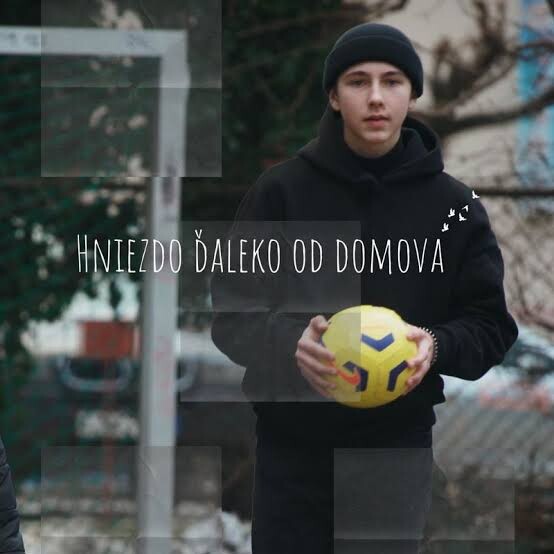
A UNICEF documentary about people from Ukraine seeking to build a life in Slovakia following the outbreak of the war highlights the importance of support for their integration into society. It features the stories of four displaced Ukrainians who are establishing new homes in Slovakia while facing a critical life situation: Marina, a social counselor in Košice; Roman, a teenager in Nitra; Elena, a teacher living with her family in Bratislava; and Hanna, a student caring for her brother in Michalovce. Their stories not only underscore the importance of integration support but also demonstrate their strength and determination to build a new home in a foreign country and become an integral part of it.
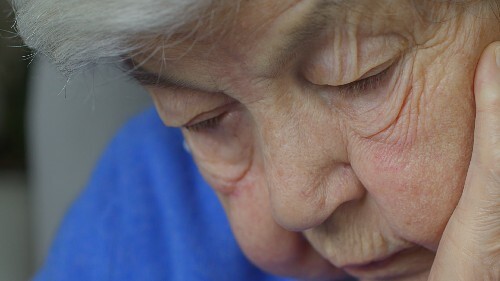
After World War II, she becomes an enemy in her own homeland. Slovaks label Anička, an ethnic German, "Hitler's daughter." She reflects on this complex period of our history without hatred. In an increasingly radicalizing world, Anička's testimony from the past takes on contemporary relevance.
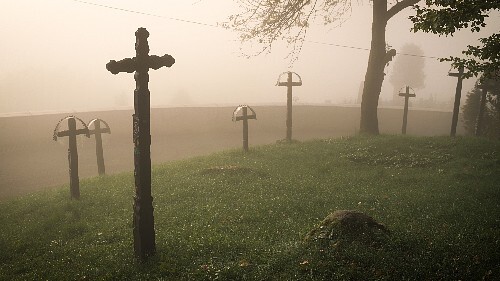
A documentary film about the making of a traditional cross from the Podpoľanie region, based on a historical photograph by Emanuel Málek from the cemetery in Detva. The film follows the creation of a replica using original craft methods and traditional woodworking and carving techniques once used in the making of carved wooden crosses.
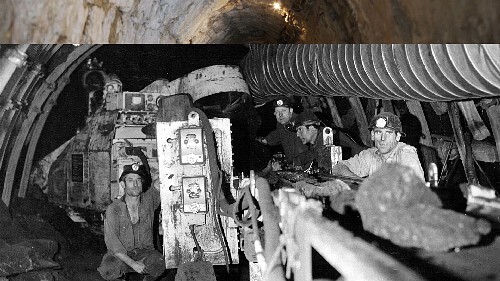
The documentary film *Voices from the Mines* captures the personal recollections of former miners from Slovakia, Slovenia, Italy, and Spain, as well as women and residents of mining regions. Through their testimonies, it reveals the daily reality of mine work—the harsh conditions, fear, risks, illnesses, and accidents—alongside a strong sense of solidarity and pride. The film explores how mining shaped not only the lives of individuals and their families but also entire towns, the landscape, and the collective memory of communities. In the film, the mines emerge as sites of work, survival, and identity—an identity that endures even after the mines have closed.
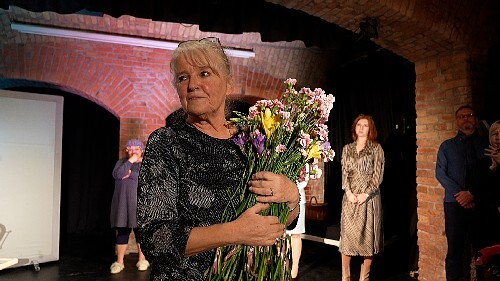
Thirty years ago, a group of theatre enthusiasts founded the Vertigo Slovak Theatre in Budapest. Initially an amateur troupe, it eventually expanded to include a professional component and gradually became a bastion of Slovak theatre in Hungary. In addition to staging Slovak-language productions—which tour the country to reach audiences—the theatre organizes drama camps, theatre festivals, and film seminars. The premiere in December 2025 was an occasion marked by both joy and deep sadness, as Danka Onodiová, the theatre's founder and director, bade farewell to Vertigo.

July 2023. Nagorno-Karabakh has been under siege by Azerbaijan for seven months now. Sensing the approach of war, I ask my friend Artsiv to film his daily life with his wife Tatev and their five children. Through images of striking tenderness, a quiet resistance emerges—that of a people on the brink of fleeing forever.
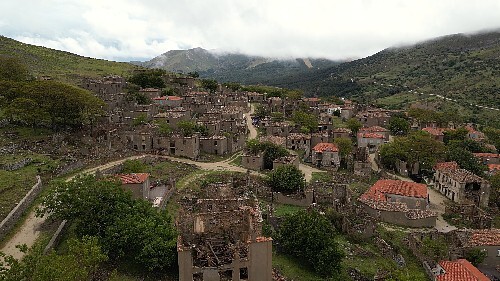
Dr. Dimitri Foka, a Greek doctor from Türkiye, survives a Nazi execution in Greece during World War II thanks to his Turkish passport. After graduating, he returns to his hometown, the island of Imroz (Gökçeada), part of Türkiye, and becomes the island’s only doctor for many years. Following the Cyprus problem in 1964, state policies targeting the Greek population lead to dispossession, violence, and forced migration on the island, yet Foka refuses to leave. The film portrays a doctor who, in the midst of nationalism and historical trauma, chooses humanity over identity and leaves behind an enduring legacy.